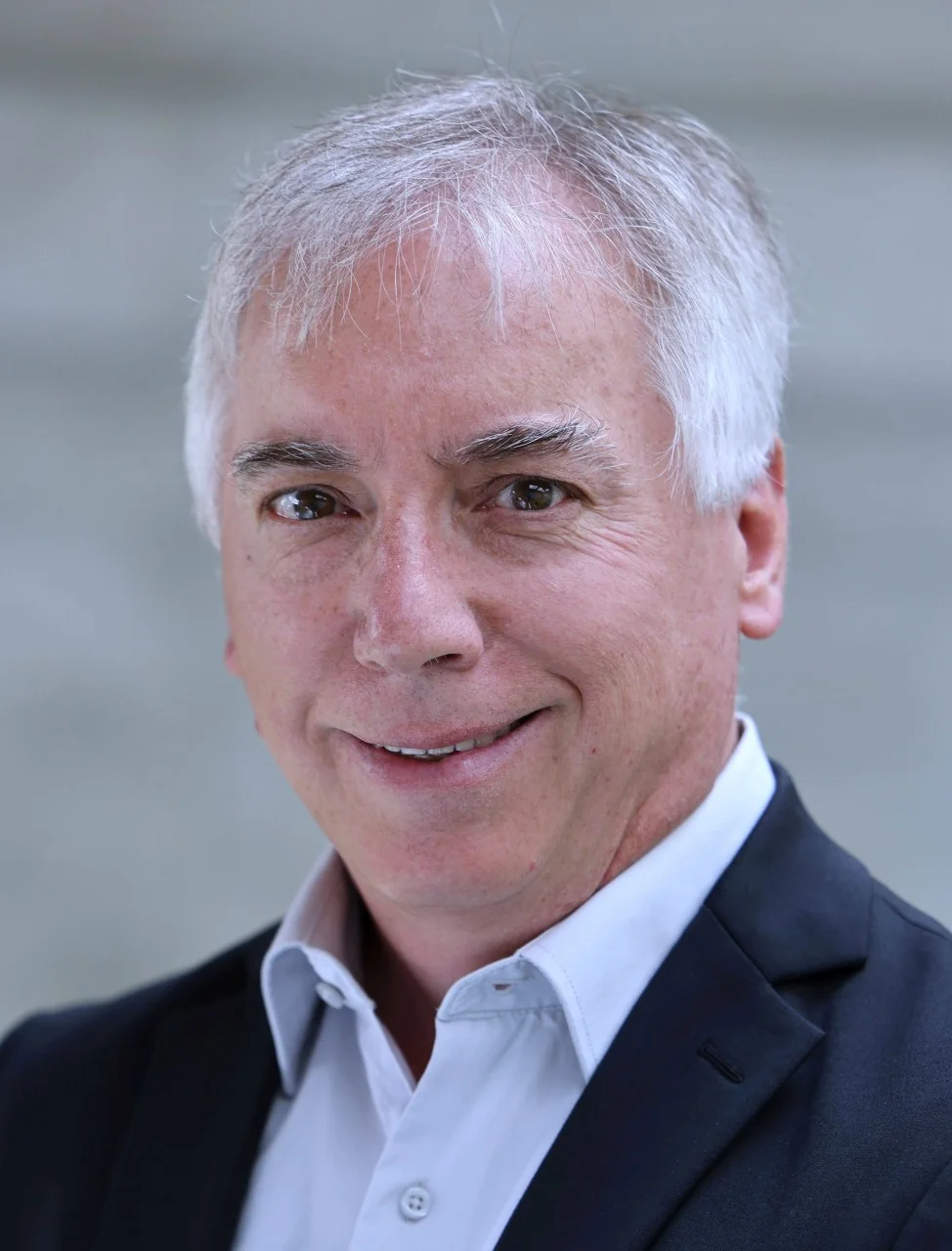
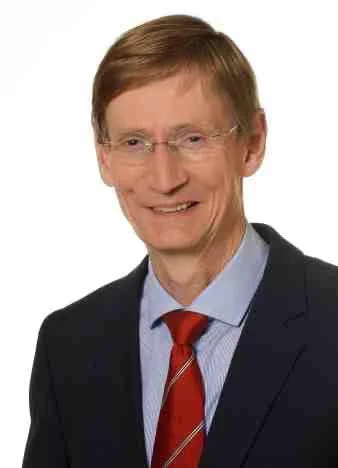
Founders & Leadership Team
The people building the intelligence behind IOMS.

Sampoorna Sahoo
Founder & CEO — Go-to-Market Strategy & Enterprise Sales
Sampoorna brings 8+ years of experience in ServiceNow/ITSM strategy, enterprise sales, and large-scale stakeholder management across automotive, banking, aerospace, pharma, and IT services. She specializes in GTM strategy, solution positioning, and leading cross-functional delivery for complex B2B environments. MBA, ESB Business School Reutlingen.
"Digital transformation only works when people, processes, and technology align."
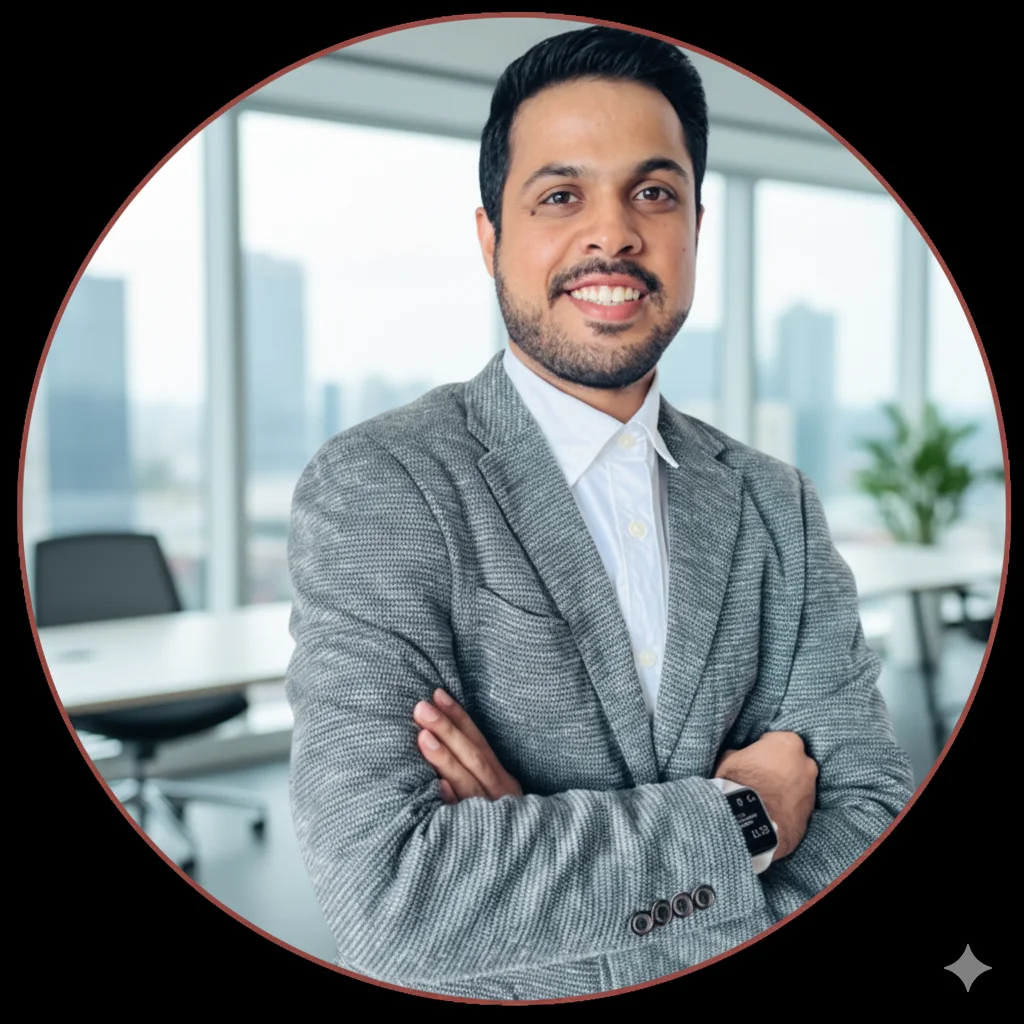
Nishant Chaturvedi
Founder & CTO — Product Architecture & AI/IoT Systems
Nishant has 8+ years of experience building embedded AI systems, real-time analytics, and MLOps workflows. He specializes in designing robust edge↔cloud architectures, smart-hardware integrations, and intelligent automation pipelines, including Smart-Bin prototypes and POS/inventory scanner systems. M.Sc. Business Intelligence, Hochschule Neu-Ulm.
"Intelligent kitchens need intelligent systems. Hardware and AI must work together."
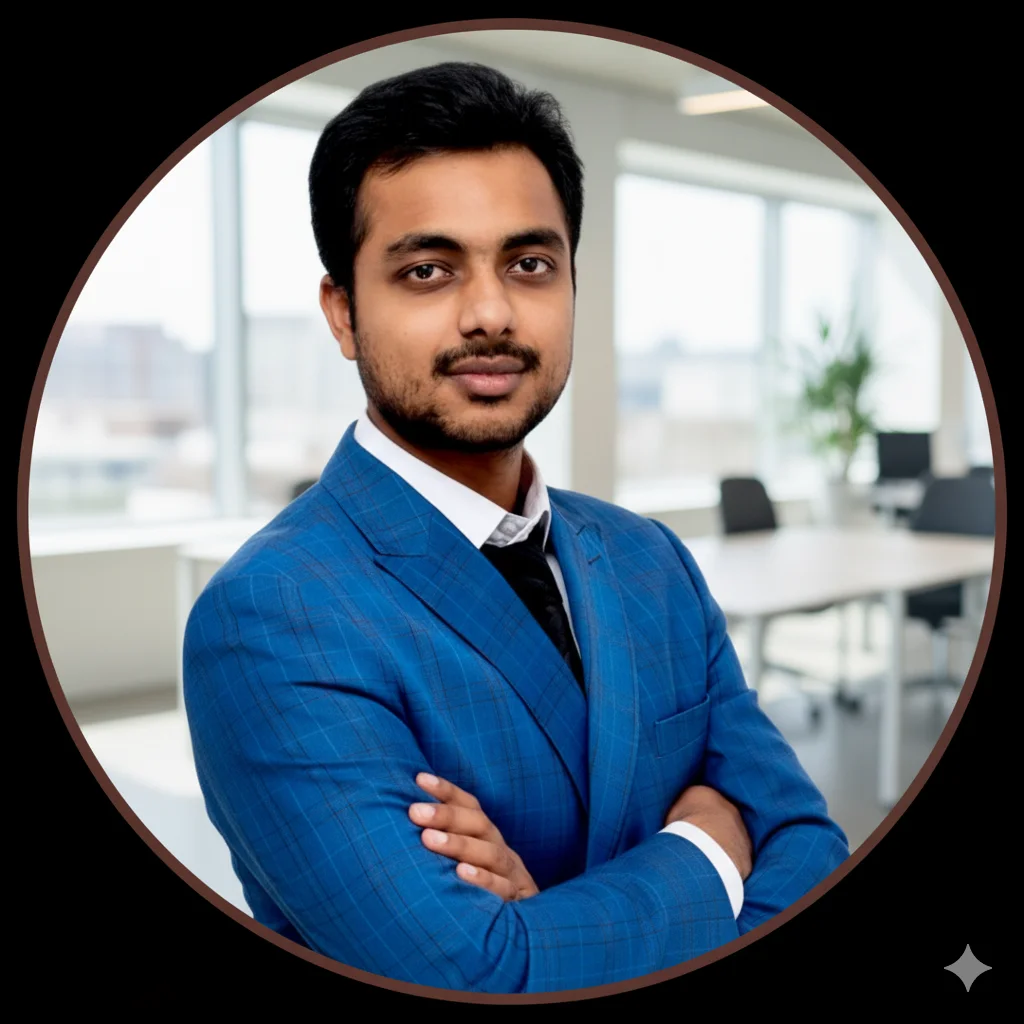
Noman Alvi
Founder & COO — Operations Intelligence & Finance
Noman is an expert in investor-relations analytics, ESG/SDG reporting, and performance measurement across 100+ blue-chip sustainability and financial reports. He specializes in KPI modelling, operational analytics, financial structuring, and AI/ML-driven monitoring of compliance and process quality. M.Sc., Otto-von-Guericke University Magdeburg.
"If you can measure it, you can improve it — responsibly and sustainably."
Applied research shaped by real kitchens.
IOMS emerged from observed kitchen problems, prototype work, academic guidance and sustainability-oriented experimentation. The goal is not simply to sell another operations tool, but to create a measurable intelligence layer that helps prevent avoidable food waste, identify eligible surplus for responsible redirection, and document environmental and social impact.
Our Mission: To turn food-waste research into practical systems for prevention, responsibility and measurable impact.